Sweat and Longevity: How to Make Sport Headphones Last
Published 2026-10-11 · Updated 2026-10-11
The short answer
Sweat is not water: it carries salt and is mildly acidic, and it attacks the exposed charging contacts first. Ratings are tested with clean water, so a high IP rating does not protect the pins. Wipe the headphone after every session, dry it before charging, and expect the battery rather than the band to end its life.
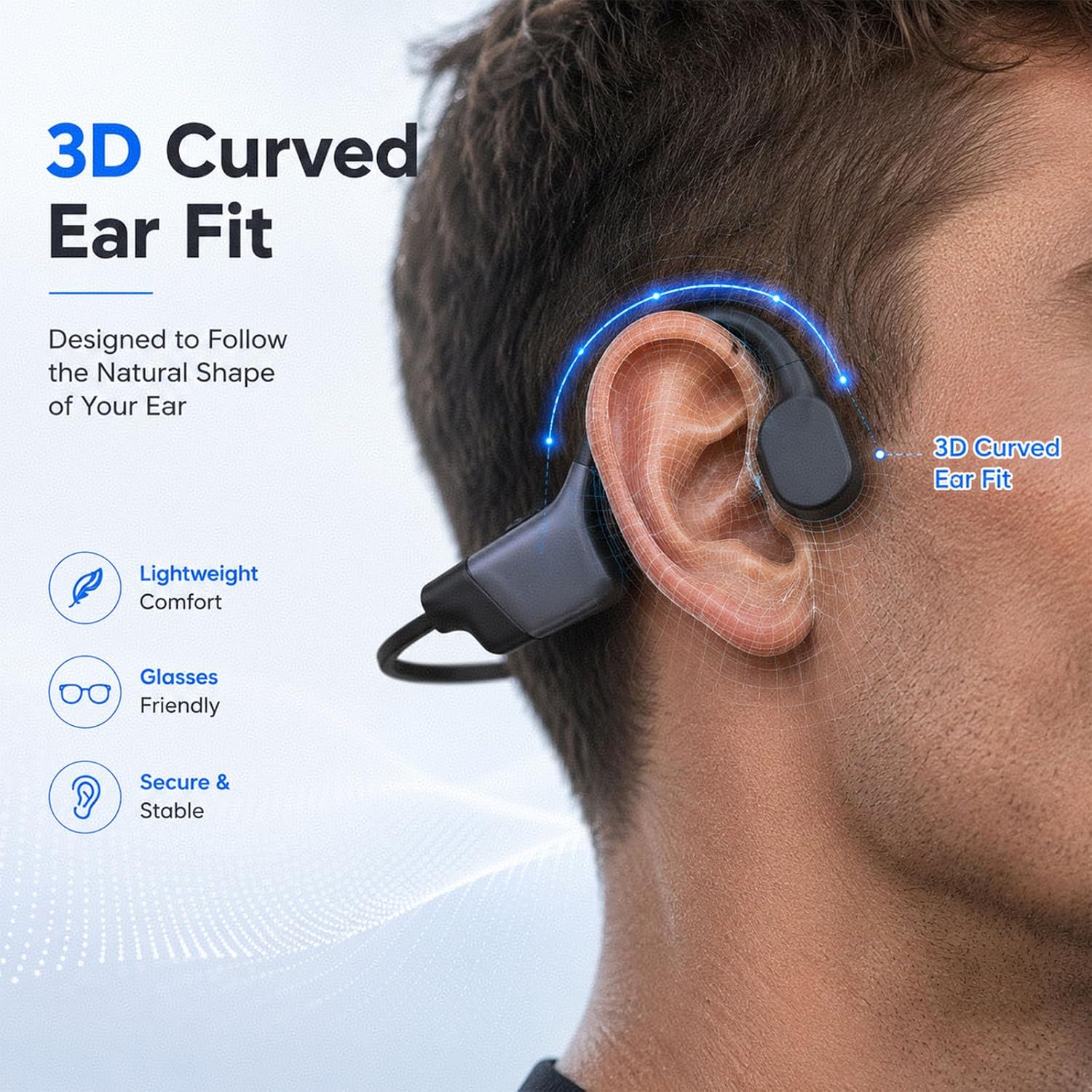
Sweat is not the same as water, and a water rating does not fully account for it. Ratings are tested with clean water. Sweat carries salt and is mildly acidic, and it leaves a residue as it dries. That residue is what shortens the life of the points where metal is exposed, especially the charging contacts.
Does sweat actually damage sport headphones?
Sweat is not water. It carries salt and is mildly acidic, and it leaves a film as it dries. The film is what does the damage over months, and it concentrates at the places where metal is exposed, which means the charging contacts. A driver sealed inside the housing may never see the sweat at all. The port and the pins are where problems appear. This is why a headphone can pass its water test and still develop an intermittent charging fault a season later. The rating describes how well the seals resist a jet; it says nothing about how the contacts handle salt. Treat those as two separate risks. You cannot damage a rating by sweating, but you can shorten the life of the charging pins if you never wipe them down.
Why do the charging contacts fail first?
Every other part of a sport headphone can be sealed away from your skin. The charging contacts cannot, because they have to be exposed to make a connection. That makes them the first place sweat, salt and moisture collect. When they are dirty or wet, the charger may not recognize the device, the connection may cut in and out, or the headphone may charge slowly. These faults read like a dead battery but are often just dirty contacts. The fix is cheap and early: wipe the contacts dry after each session and keep the port free of grit. Charging a wet headphone is the mistake to avoid, because moisture across the pins bridges them. Before you blame the cell, clean and dry the port and try again. Most intermittent charging problems are solved at the contacts, not at the battery.
What does the IP rating really protect against?
The IP rating covers the housing and the seals. An IPX5 frame resists water jets at level 5 with no dust rating. An IPX6 frame resists stronger jets at level 6, also with no dust rating. Both describe water arriving from outside, under test conditions, with clean water. Neither covers immersion, and neither makes a claim about salt or about the exposed contacts. That is the boundary to hold in mind. The rating is a strong signal that the electronics will survive rain and spray. It is not a maintenance plan. A high rating without a wipe-down routine still ends in a corroded port, and a modest rating with a good routine often outlasts it. The rating protects the inside; you protect the outside.
How should you clean and dry them?
Keep it simple and repeat it every session.
- Wipe after every session. A dry cloth is enough to lift the salt film before it sets.
- Dry before charging. Moisture across the pins is the most common cause of intermittent charging.
- Keep the port clear. Grit and lint trap moisture against the contacts.
- Avoid harsh solvents. Alcohol and abrasives can attack rubberized coatings.
- Do not store them folded tight. A permanent tight fold stresses one spot on the band repeatedly.
None of this takes long, and none of it requires a product. The routine exists because the vulnerable parts are the exposed ones, and exposed parts respond to a two-second habit. Wipe, dry, store loosely.
How long should a pair last, and what shortens the battery?
Longer than the battery. The frame and the cell wear at different speeds. A nickel-titanium memory frame, like the one in the KORAVIS M2, is rated for over 10,000 bend cycles and returns to its shape, so the band is not the part that gives out first. The battery is the wear item. Every charge and discharge cycle takes a little capacity with it, and after a couple of years of heavy use a pair that once ran for the full figure will run for noticeably less. That decline is normal, not a defect. Heat, deep discharges, and months of storage at full or empty accelerate it. The M2 carries a 230 mAh cell rated for up to 12 hours at standard volume, and a full charge takes 1 to 2 hours over USB-C. Charge to roughly the middle of the range before long storage, and do not leave it on the charger for days.
Which KORAVIS models suit a long life of sweaty training?
All three open-ear models are built for sport, and the differences are in the details. The M2 is rated IPX6, the stronger water-jet protection in the range, and uses a nickel-titanium memory frame rated for over 10,000 bend cycles. The M3 is bone conduction and rated IPX5. The Q1 is air conduction, rated IPX5, and lighter at 18.2 g. All three charge over USB-C or USB Type-C, so you are not hunting for a proprietary cable later. All three are sold and fulfilled by Amazon with a free 30-day refund or replacement window. None is swim-rated. The table below lists the figures that matter for a long service life.
| Model | Water rating | Playtime | Bluetooth | Charge time | Listed price |
|---|---|---|---|---|---|
| KORAVIS M2 | IPX6 | Up to 12H | 5.4 | 1–2 hours | $15.18 |
| KORAVIS M3 | IPX5 | Up to 12H | 5.4 | Not published | $15.98 |
| KORAVIS Q1 | IPX5 | Up to 8H | 5.3 | Not published | $9.98 |
Pick the higher water-jet rating if you sweat heavily or train outdoors in the rain, and keep the contacts dry either way.
FAQ
Does sweat damage sport headphones?
Sweat carries salt and is mildly acidic, and it leaves a residue that attacks the exposed charging contacts. Wipe the headphone dry after each session to limit the damage.
Why do my headphones fail to charge?
Intermittent charging usually traces to dirty or wet contacts rather than a dead battery. Clean and dry the port before you assume the cell has failed.
Does an IP rating protect against sweat?
Not fully. IP ratings are tested with clean water, so a high rating covers rain and spray but says nothing about how the contacts handle salt.
How long should open-ear headphones last?
Longer than the battery. A nickel-titanium memory frame such as the one in the KORAVIS M2 is rated for over 10,000 bend cycles, while the battery is the wear item that ages first.
How do I make the battery last longer?
Avoid leaving it on the charger for days, avoid running it fully flat, and if you store it for a season, charge it to roughly the middle of its range rather than full or empty.
Which KORAVIS model has the strongest water rating?
The M2, at IPX6. The M3 and Q1 are rated IPX5. None of the three is rated for immersion.